Reduce Energy Loss With Quality Spray Foam Insulation
Energy efficiency is a crucial consideration for homeowners and businesses seeking to lower utility costs and minimize environmental impact. One of the most effective ways to reduce energy loss in buildings is through quality spray foam insulation. Unlike traditional insulation materials such as fiberglass or cellulose, spray foam creates an airtight seal that prevents air leakage, which is a primary cause of wasted energy. This sealing capability ensures that heated or cooled air remains inside the building, improving overall comfort while reducing the workload on heating and cooling systems.
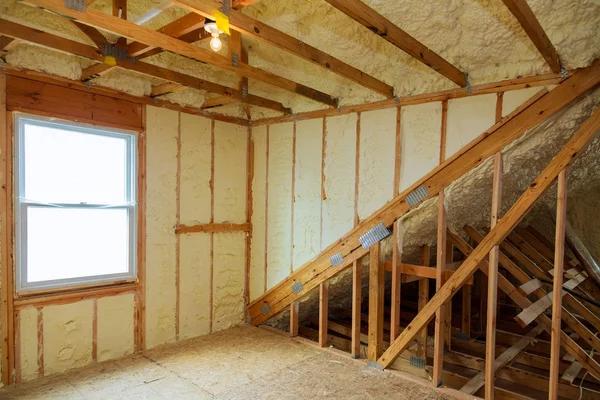
Spray foam insulation expands upon application, filling gaps, cracks, and hard-to-reach spaces that other types of insulation might miss. This expansion not only enhances thermal resistance but also acts as a barrier against moisture infiltration. Moisture can compromise the effectiveness of many insulating materials by causing them to deteriorate over time; however, closed-cell insulate your propert with spray foam resists water absorption and helps maintain structural integrity. By preventing both air leaks and moisture problems, this type of insulation contributes significantly to long-term energy savings.
The two main types of spray foam are open-cell and closed-cell foams. Open-cell foam has a lower density and offers excellent soundproofing qualities alongside its insulating properties but allows some vapor permeability. Closed-cell foam is denser, provides higher R-values per inch (a measure of thermal resistance), and serves as an effective vapor barrier. Choosing between these depends on specific project requirements such as climate conditions, budget constraints, or building codes.
Installation quality plays a vital role in realizing the full benefits of spray foam insulation. Professional installers ensure even coverage without voids or gaps where heat could escape or enter unexpectedly. Proper preparation before application also matters; surfaces must be clean and dry for optimal adhesion. When installed correctly by experienced technicians using high-quality products, spray foam delivers superior performance compared to conventional options.
Beyond immediate energy savings on heating and cooling bills, investing in premium spray foam insulation can increase property value due to improved durability and comfort levels within living or working spaces. Additionally, reduced reliance on HVAC equipment extends system lifespan by minimizing wear caused by frequent cycling associated with temperature fluctuations from poor sealing.
In summary, quality spray foam insulation provides an effective solution for reducing energy loss through superior air sealing capabilities combined with moisture resistance features not found in traditional insulations. Its ability to fill irregular cavities while maintaining structural protection makes it ideal for enhancing building envelopes across various applications. For those aiming at sustainable improvements with measurable financial returns over time, choosing professional-grade spray foam installation represents a smart investment toward achieving greater energy efficiency goals consistently throughout each season’s demands.