Renovation Electrical Work: A Practical Guide
Renovation electrical work is a critical aspect of updating or improving any property, requiring careful planning and execution to ensure safety and functionality. Whether you are upgrading an older home or remodeling a commercial space, understanding the basics of electrical systems can help avoid costly mistakes and hazards. The first step in any renovation involving electrical work is to assess the existing wiring and infrastructure. Older buildings often have outdated wiring that may not meet current codes or support modern appliances efficiently. A thorough inspection by a licensed electrician can reveal potential issues such as faulty connections, insufficient circuit capacity, or damaged insulation.
Once the assessment is complete, it’s important to create a detailed plan outlining the changes needed. This includes determining where new outlets, switches, lighting fixtures, or appliances will be installed. Consider future needs as well; adding extra circuits or outlets during renovation can save time and money later on when additional devices are required. It’s also essential to comply with local building codes and regulations throughout this process. electrical contractor in Southern Pines NC codes exist primarily for safety reasons, preventing fire hazards and ensuring proper operation of systems.
Electrical contractor in Southern Pines NC
During installation or rewiring phases, using quality materials rated for specific applications is crucial. Copper wiring remains the standard due to its excellent conductivity and durability compared to alternatives like aluminum wire which require special connectors if used at all. Properly sized breakers must be selected based on load calculations to protect circuits from overloads effectively.
Another key consideration involves grounding systems that provide a safe path for electricity in case of faults; these must be installed correctly according to code requirements. Ground fault circuit interrupters (GFCIs) should be placed in areas prone to moisture such as kitchens, bathrooms, or outdoor spaces for added protection against electric shock.
Testing completed work thoroughly before restoring power ensures everything functions safely without shorts or loose connections that could cause failures later on. Using multimeters or specialized testing equipment helps verify voltage levels and continuity across circuits.
Finally, documenting all changes made during renovation is beneficial for future reference when troubleshooting problems arises or further modifications become necessary.
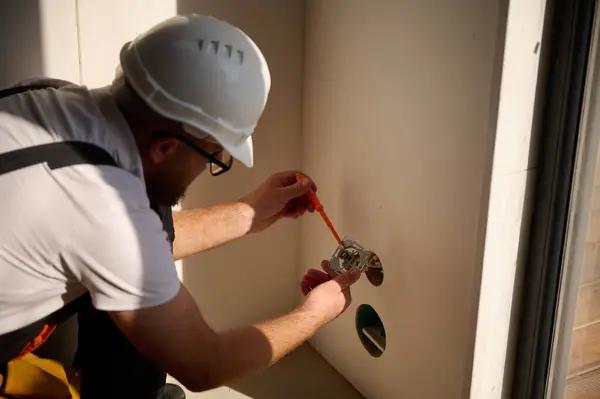
Engaging professional electricians rather than attempting DIY repairs guarantees compliance with standards while minimizing risks associated with improper handling of electrical components during renovations.
After Hours Electrical, LLC
220 E Illinois Ave #17, Southern Pines, NC 28387
910-303-7722