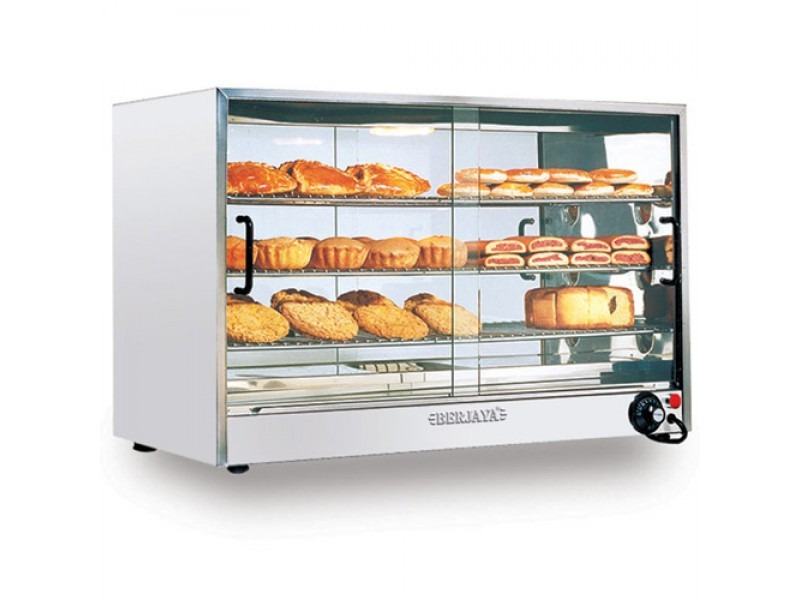
Modern Food Warmer Display for Restaurants
Modern food warmer displays have become essential fixtures in contemporary restaurants, combining functionality with aesthetic appeal to enhance both food presentation and customer experience. These devices are designed to keep prepared dishes at optimal serving temperatures while showcasing them attractively, ensuring that meals remain fresh and appetizing from kitchen to table. The evolution of food warmers reflects advancements in technology and design, catering to the diverse needs of various dining establishments ranging from casual eateries to high-end restaurants.
One key feature of modern food warmer displays is their precise temperature control systems. Unlike earlier models that often overheated or cooled unevenly, current units utilize sophisticated thermostats and heating elements that maintain consistent warmth without drying out or compromising the quality of the food. This accuracy helps preserve texture, flavor, and moisture content for extended periods. Additionally, many warmers incorporate humidity controls or steam functions which prevent foods from becoming stale or crusty during display hours.
The materials used in these units also contribute significantly to their effectiveness and visual appeal. Stainless steel remains a popular choice due to its durability, ease of cleaning, and sleek appearance. Glass panels surrounding the warming trays provide clear visibility while protecting dishes from contaminants such as dust or airborne particles. Some designs include LED lighting integrated within the display area; this not only highlights colors and textures but also creates an inviting atmosphere for diners assessing menu options visually before ordering.
Energy efficiency has become another important consideration in modern Food Warmer Display displays. Manufacturers now focus on reducing power consumption through insulated construction combined with low-wattage heating components without sacrificing performance levels. This approach aligns with growing environmental awareness among restaurant operators seeking cost-effective solutions that minimize carbon footprints alongside operational expenses.
Versatility is evident as well since many modern warmers come with modular configurations allowing customization based on specific service styles-whether buffet lines requiring multiple compartments or single-station setups for quick-service counters. Mobility features like caster wheels enable easy repositioning within busy kitchens or dining areas depending on daily layout changes.
Maintenance has been simplified through removable pans and drip trays designed for dishwasher compatibility along with smooth surfaces free from crevices where grease might accumulate. Such practical considerations reduce downtime related to cleaning routines thereby improving overall workflow efficiency during peak business hours.
In conclusion, modern food warmer displays represent a blend of advanced technology, thoughtful design, energy-conscious engineering, and operational practicality tailored specifically for restaurant environments aiming to deliver consistently appealing hot meals while optimizing space usage and staff productivity effectively throughout service periods.